

🧭 Why Most Business Websites Don’t Generate Leads (And How to Fix It)


Introduction: The Silent Struggle of Business Websites
In today’s digital landscape, having a website is non-negotiable for any business. But here’s the harsh truth — most business websites don’t generate leads.
They look professional, load quickly, and may even rank on Google, yet they fail at the one thing that matters most: turning visitors into customers.
The problem? These websites are built to showcase, not to sell. Instead of acting as a lead-generating engine, they serve as digital brochures — visually appealing but strategically weak.
Let’s break down why this happens and, more importantly, how you can fix it.
1. Lack of a Clear Value Proposition
When visitors land on your homepage, they’re subconsciously asking:
“What’s in it for me?”
If your website doesn’t answer that question immediately, they’ll click away.
A strong value proposition clearly communicates:
What you offer
Who it’s for
Why you’re different
For example, instead of saying “We provide digital marketing services,” say “We help small businesses generate consistent leads through targeted digital marketing campaigns.”
That’s clear, specific, and benefits-focused — exactly what visitors need.
2. Weak or Confusing Calls-to-Action (CTAs)
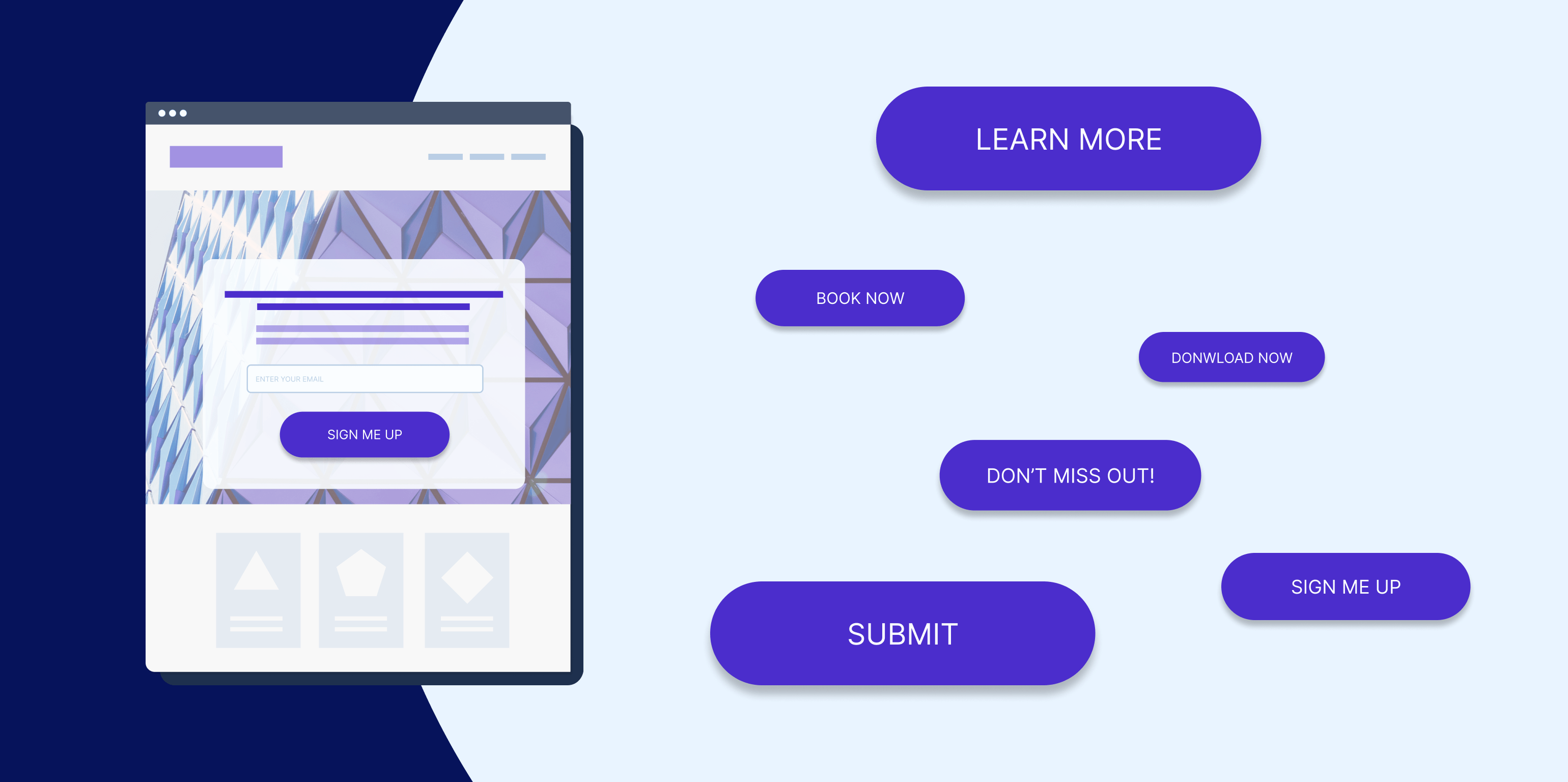
Your CTA is the bridge between interest and conversion. Yet, many websites bury CTAs or use vague language like “Learn More” or “Submit.”
Effective CTAs are:
Visible: Above the fold and repeated throughout the page
Action-Oriented: “Get My Free Quote,” “Book a Strategy Call,” or “Download the Checklist”
Benefit-Driven: Highlighting the value behind the click
The goal is to make taking the next step obvious and irresistible.
3. Poor Website Design and User Experience
A beautiful website doesn’t necessarily mean an effective one.
If your layout is confusing, text is hard to read, or navigation feels clunky — users leave.
User experience (UX) should guide visitors effortlessly from point A to B. Focus on:
Clean navigation menus
Logical content structure
Readable typography and contrast
Consistent brand visuals
Good design builds trust; bad design breeds doubt.
4. Slow Loading Speed
Speed matters — both to your visitors and to search engines.
A one-second delay can reduce conversions by 7%, while 40% of users abandon websites that take over three seconds to load.
To improve performance:
Compress images
Use caching plugins
Choose fast, reliable hosting
Minimize unnecessary code or plugins
Your visitors’ time is valuable — respect it.
5. No SEO or Content Strategy
Even the most optimized website can’t generate leads if no one finds it.
Search Engine Optimization (SEO) ensures your site appears in front of the right audience at the right time.
Focus on:
Keyword research aligned with buyer intent
High-quality, educational blog content
Optimized title tags and meta descriptions
Internal linking to guide users deeper into your funnel
A blog that solves real customer problems doesn’t just attract traffic — it attracts qualified leads.
6. Lack of Trust and Social Proof
Your visitors won’t hand over their contact information unless they trust you.
Trust signals validate your credibility and reassure prospects that you deliver on promises.
Key trust elements include:
Customer testimonials and reviews
Case studies with measurable results
Certifications, partnerships, or awards
Secure payment or SSL badges
Even displaying your physical location or team photos can add a personal touch that builds confidence.
7. No Lead Capture Systems
If your website doesn’t offer a way to capture leads, you’re leaving money on the table.
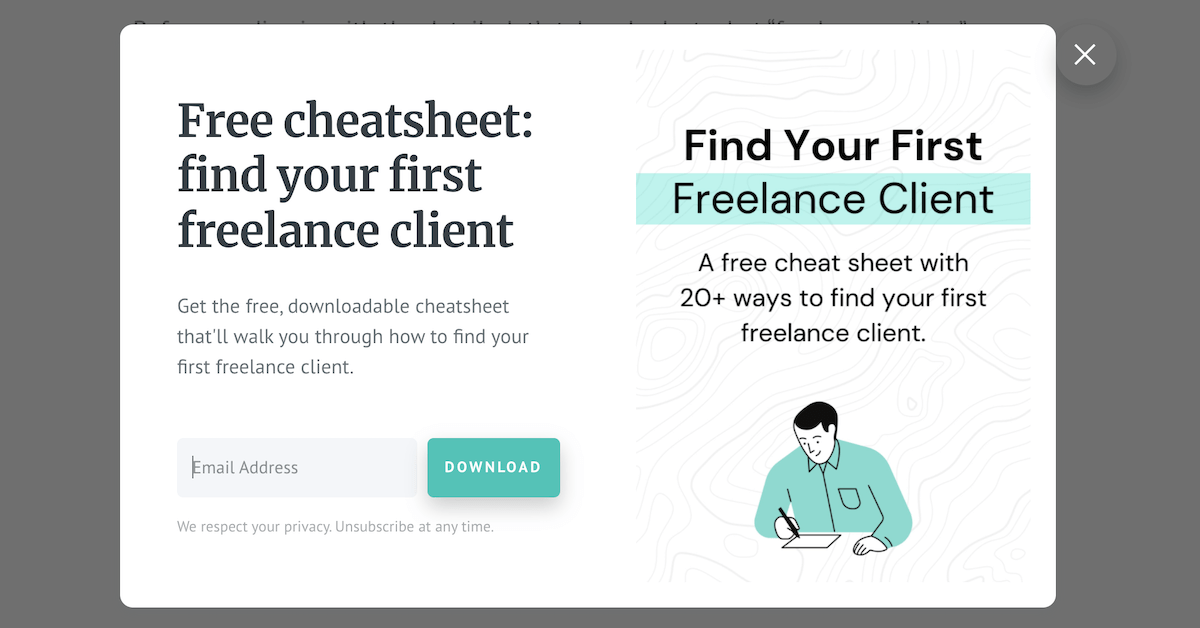
Lead generation forms, newsletter subscriptions, and downloadable resources (like eBooks or checklists) allow you to nurture prospects over time.
Consider adding:
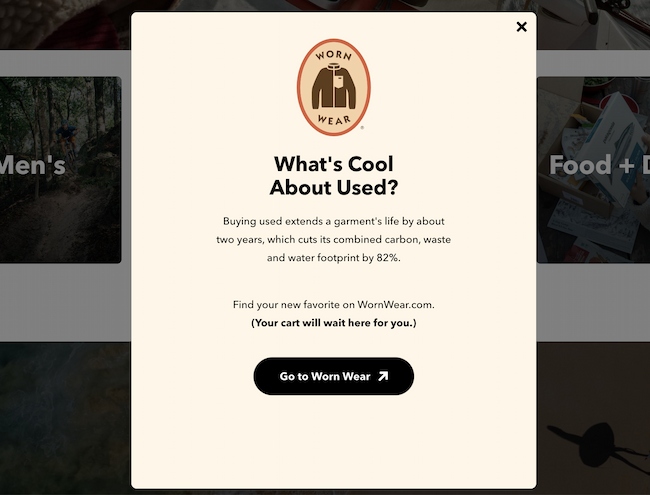
Popups or slide-ins triggered by user behavior
Gated content like whitepapers or guides
Exit-intent offers to capture abandoning visitors
Every page should provide a next step — something that turns curiosity into commitment.
8. Not Mobile-Friendly
Over 60% of users access websites from mobile devices.
If your site isn’t responsive — meaning it adjusts to different screen sizes — visitors will bounce fast.
A mobile-friendly website should:
Load quickly on 4G connections
Display content clearly without zooming
Have easy-to-tap buttons and forms
Offer click-to-call functionality
Your website must perform as smoothly on smartphones as it does on desktops.
9. Ignoring Analytics and Continuous Optimization
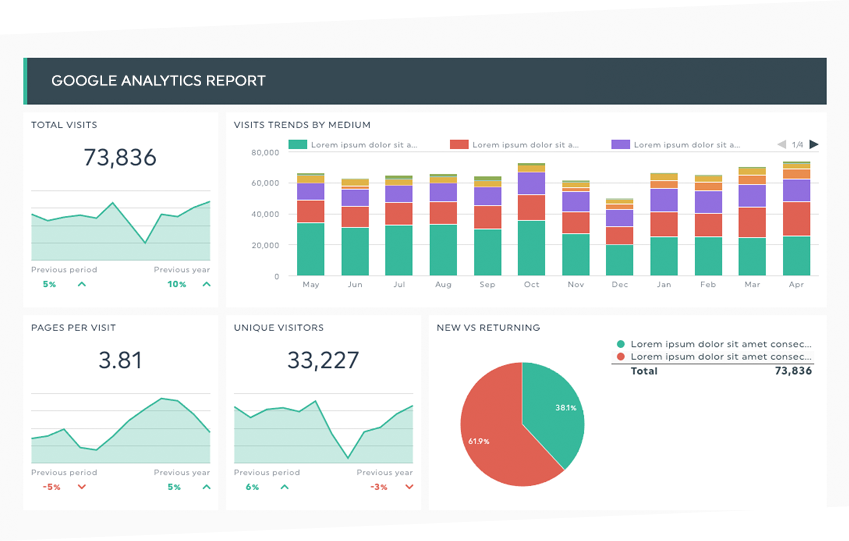

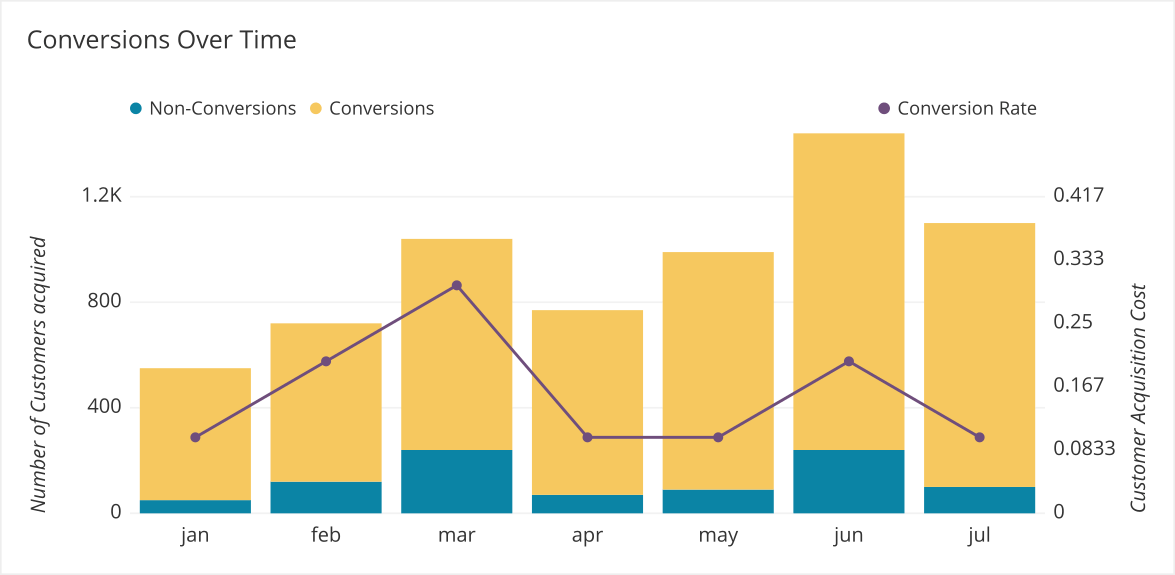
You can’t improve what you don’t measure.
Tracking and analyzing performance metrics helps identify weak points and opportunities.
Use tools like Google Analytics and Hotjar to monitor:
Bounce rate
Conversion rate
Average time on site
Traffic sources
Small data-driven tweaks — like repositioning a CTA or rewriting a headline — can produce significant conversion gains over time.
10. No Clear Funnel or Conversion Path
Lead generation isn’t a one-step process. You must guide visitors through a journey:
Attract them with valuable content
Engage them with offers and CTAs
Convert them with personalized communication
This is where marketing automation tools and email nurturing sequences can make all the difference.
Without a funnel, even interested visitors may drift away without ever becoming customers.
How to Fix a Non-Converting Website

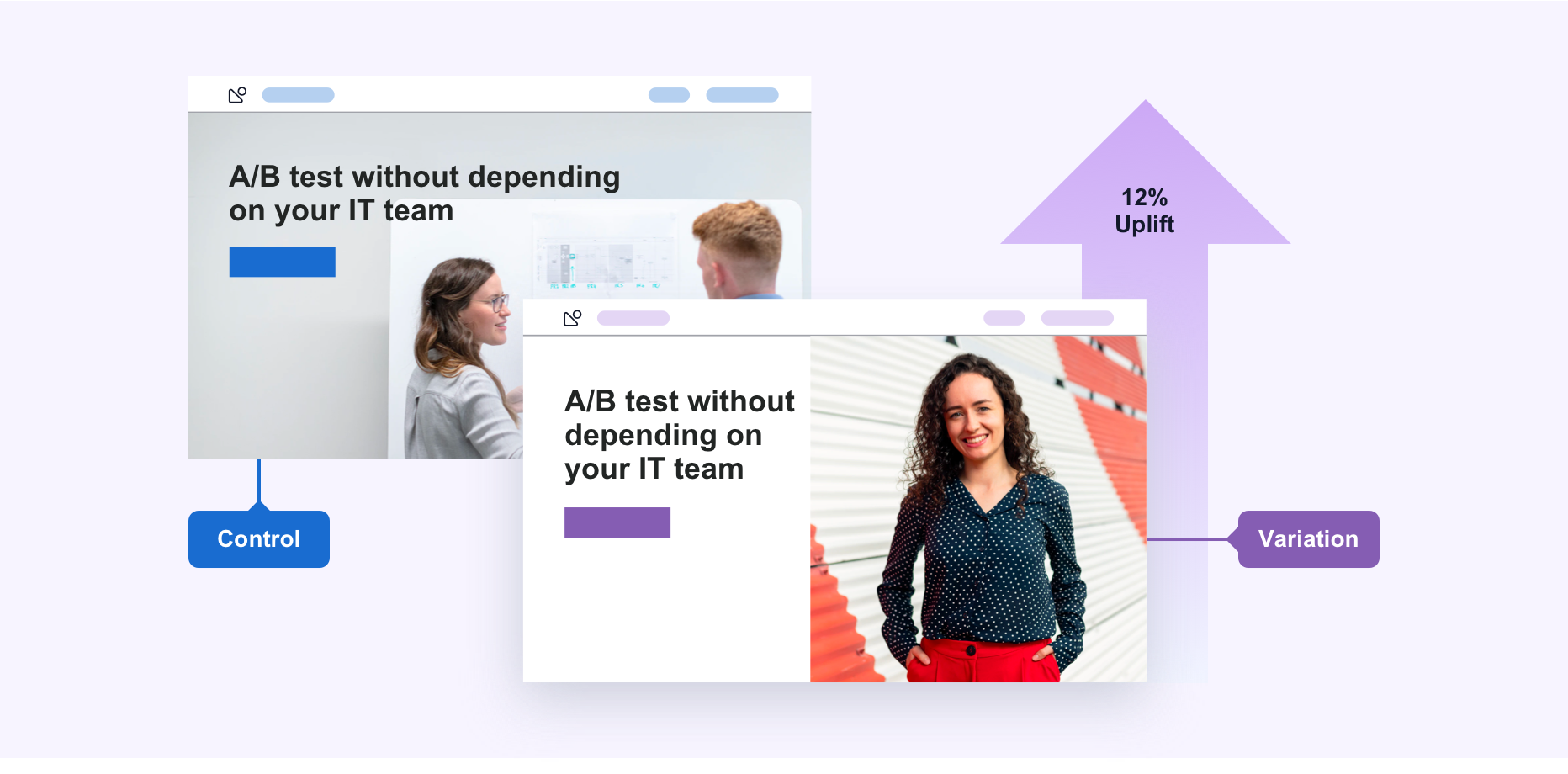

To transform your site into a lead-generating engine, follow these actionable steps:
Redefine your value proposition — make it clear and benefits-driven
Rework your CTAs to be visible and persuasive
Simplify your navigation and design
Improve page speed and technical performance
Implement SEO and content marketing
Add trust signals like reviews and guarantees
Create lead magnets to capture contact information
Continuously analyze and optimize performance
By combining great design with solid strategy, your website will start generating quality leads consistently.
Real-World Example
A local home services company partnered with Compitom Digital Solutions to revamp its outdated website.
Before the redesign, their site averaged only two leads per month.
After optimizing for conversions — adding clear CTAs, integrating reviews, and improving mobile speed — they achieved:
3x increase in organic traffic
4x higher conversion rate
150% more inbound leads in 90 days
That’s the power of a website built with purpose.
Final Thoughts
Your website shouldn’t just exist; it should perform.
If it’s not generating leads, it’s time to rethink your digital strategy.
By aligning design, content, and conversion principles, you can transform your website into your most powerful marketing asset.